Road to Offer
HomeBlogHubsDirectoryFree ToolsPricing
Log inFree case
Free drills
Road to Offer
PrivacyTermsContactFAQPricingFree Tools & ResourcesTry Free|BlogPrep HubFirm Directory

© 2026 Road to Offer

Free Tools:CAGR CalculatorMarket Size CalculatorBreakeven CalculatorProfitability FrameworkCase Structure Builder
Free Guides:3Cs FrameworkMarket Sizing FrameworkConsulting SalariesCase Interview FrameworksConsulting Career Path
Blog›10 Benefits of Hiring an Ex-McKinsey Consultant
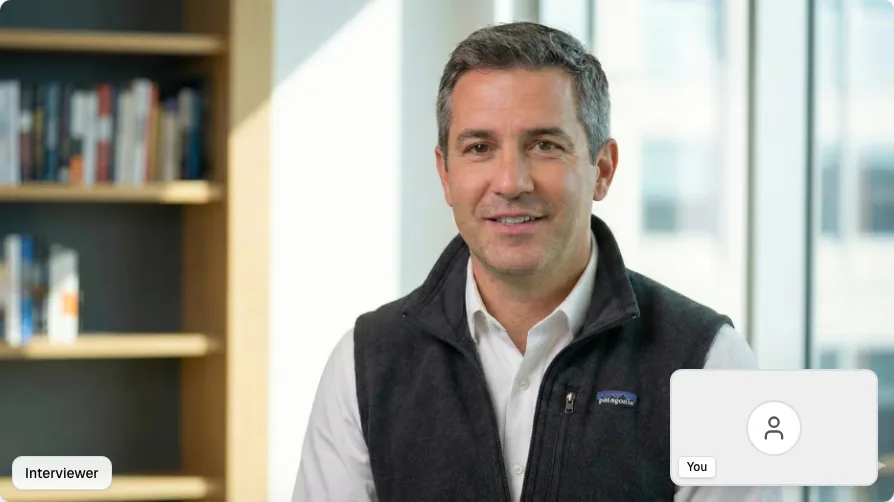
Hiring manager reviewing strategy role notes for a former McKinsey consultant candidate

10 Benefits of Hiring an Ex-McKinsey Consultant

Ex-McKinsey hires can bring structured thinking, executive communication, and fast ramp-up, but fit still matters.

Published May 1, 2026Firm SpecificMckinseyEx Consultant
PostShare

TL;DR

  • Hiring an ex-McKinsey consultant can add structured problem solving, executive communication, and fast ramp-up.
  • The McKinsey brand is a signal of training and client exposure, not a guarantee of role fit.
  • Ex-consultants often fit strategy, transformation, operations, growth, and chief-of-staff work.
  • The right hiring question is whether the candidate's experience matches the problem, team, and operating rhythm.

The main benefit of hiring an ex-McKinsey consultant is not a logo on a resume. It is the operating pattern the person can bring: a structured way to frame messy problems, strong executive communication habits, and rapid ownership at the start of a role. McKinsey describes its work as demanding and growth focused for future leaders, and its About page frames the firm as a global team committed to meaningful and lasting change. In practice, this can mean faster onboarding, stronger client-facing composure, and clearer teamwork when the context is uncertain. Ex-candidates are not automatically better at every job. They are often better at some parts of a role from day one because they are used to explaining ideas under pressure. Good hiring decisions still require matching role needs to a candidate's specific operating habits and proof from previous work, not only a recognized brand.

Definition

Ex-McKinsey signal is the combination of training, work habits, and communication pattern shown by someone who has worked in McKinsey-like projects before, which can reduce setup time in strategy and transformation roles.

If you are building a full hiring ladder, start with consulting career path first.

Why companies hire ex-McKinsey consultants

When teams are under delivery pressure, leaders often search for people who can move from unclear questions to clear next steps quickly. Ex-consulting alumni can help because they are used to operating in ambiguity. They typically enter with an early comfort around structuring unstructured data, writing recommendations for senior leaders, and translating analysis into action.

In one interview setting, this matters because firms need candidates who can hold both detail and narrative at once. A recruiter sees that signal in case style and written communication. A hiring manager sees it when people ask disciplined questions before proposing a solution. A CEO may see it as better meeting readiness, especially for cross-functional initiatives where teams include product, finance, and operations partners.

At the same time, smart teams do not hire only on brand. They still check whether candidates have done the type of work the specific role needs. A role heavy on implementation may require different proof than a role that is mostly diagnosis. That is why the strongest shortlist compares expected duties with direct examples from prior work, not just consulting titles.

What strengths do they often bring

The biggest reason for demand is transferability. Most clients and internal stakeholders want people who can break down business problems in a way that keeps decisions moving. Ex-McKinsey people are often strong at framing issues into a few hypotheses and then testing each branch with data.

Second is executive communication. This is not theatrical polish. It is the ability to package a recommendation with a clear position, the tradeoffs, and the likely risks. In many firms, this improves meeting quality because leadership gets a crisp read in fewer steps.

Third is ownership language. A good consultant knows how to define scope, ask what is inside role boundaries, and update pace when assumptions change. In the first weeks of work, this can reduce drift. Teams spend less energy asking for reruns and more energy testing execution options.

When hiring into strategy, transformation, growth, or operations support, these strengths map cleanly to what firms need: clarity early, follow-through later.

Get the consulting prep toolkit

Use Road to Offer's free templates to organize cases, resumes, networking, and weekly prep.

Get the free toolkit

Which roles can they fit best

Ex-consultants are common in strategy, transformation offices, growth initiatives, and chief-of-staff functions where coordination and synthesis happen every day. In those environments, they can add value where teams need disciplined thinking across multiple workstreams.

Strategy roles benefit because they require both diagnosis and narrative. A person who can move from high level direction to practical option screening helps teams avoid long arguments over weakly linked ideas. Transformation work often needs similar discipline, especially when project teams include legal, operations, technology, and finance partners with competing priorities.

Growth teams, especially in fast moving companies, need people who can evaluate options without needing a perfect data set first. Ex-consultant candidates often bring a practical version of this: identify what data is needed, then run with the best available version while making assumptions explicit. That behavior is valuable in corporate venture and market expansion discussions where speed matters and decisions are iterative.

Chief-of-staff settings are a strong fit when the manager needs one person to coordinate across teams, keep tradeoffs visible, and communicate context fast. These roles punish fuzzy thinking and reward concise summaries.

The practical question is less, can they perform a brilliant one-off analysis, and more, can they sustain pace and clarity over repeated handoffs. That is where the signal matters most.

Where ex-consultants can struggle

The biggest gap is implementation depth. Consulting projects often optimize for structured diagnosis and recommendations. In some teams, the daily work is different: direct ownership of budgets, systems, and timeline tradeoffs. Strong performers still adapt, but weaker hires can default to high quality slides and low practical closure.

A second gap is stakeholder rhythm. Some executives prefer short cycles, informal updates, and gradual ownership shifts. A consultant used to structured sprint methods may over-structure or slow momentum at first. This is not a deal breaker, but it can cause friction if not coached.

Third, context matters. Industry-specific knowledge can reduce first months of productivity. Someone might be excellent at framing, but still need time to learn regulatory, sales, or product specifics. That learning period is normal, yet teams should budget for it.

A related challenge is incentive fit. If the role is measured by operational KPIs with weekly execution deadlines, candidates who have spent years in advisory rhythm may need help adjusting from recommendation to stewardship. Hiring managers should test for this during interviews, not assume it comes for free.

How should you interview an ex-consultant

Interview design should prove transferability. Instead of asking for project history alone, ask for implementation proofs. A strong interview prompt is: Which recommendation did you carry from analysis into execution, and what changed because of your follow-up actions? Look for people who discuss sequencing and owner handoffs, not only final strategy notes.

Ask for concrete examples in three areas: ambiguity, communication, and team behavior. Ambiguity questions reveal how quickly the candidate moves from unknowns to a testable plan. Communication questions show whether they can explain choices to mixed audiences. Team questions show if they can partner with doers, not just design options.

For hiring managers, this is also a chance to test for hiring friction. If a candidate uses impressive language but gives thin detail on constraints, owners, and sequencing, the role may need more coaching. If they provide a clean sequence with tradeoffs and follow-up actions, the fit is usually strong.

For candidates, the interview playbook is similar. Frame experiences in role-relevant outcomes. If applying for strategy support, lead with ambiguity wins. If applying for operations, lead with execution and ownership examples.

What candidates should learn from this for their own growth

Candidates targeting this profile should treat the McKinsey label as the entry condition, not the outcome condition. The strongest career advantage comes from adding non-consulting depth over time. That includes product context, regulatory fluency, and implementation habits that are visible after quarter end.

If your goal is to stand out for ex-consultant roles, build two parallel tracks. One track is analytical sharpness through repeated case and synthesis work. The second is execution fluency through projects where outcomes are measured by delivery quality and operational continuity. Both tracks can be developed with practical prep and role-matching practice on interview material from behavioral interview consulting guide and what is MBB consulting.

The other practical advantage is fit with recruiting signals. Teams respect people who can explain tradeoffs clearly and acknowledge uncertainty without losing momentum. On the application side, this means stronger interview answers and cleaner resumes.

If you are preparing for McKinsey role discussions specifically, our McKinsey case interview guide gives practical structure questions that mirror how interviewers test fit.

How roles change over time in companies

Even when the role title stays the same, the scope can shift by team. Senior leaders can ask for different outcomes at different phases of a project. At one stage, they may need ideation and option framing; at another, they need delivery support, governance, and communication quality.

An ex-consultant can adapt if role expectations are explicit from day one. This is where hiring teams improve by adding explicit scorecards: clarity of framing, speed of alignment, and ownership over the next action. Those three habits are easier to judge than generic resumes.

For employers, the practical move is to set a short operating plan with explicit ownership points. That protects both sides. You can benefit from the consultant strengths while reducing the risk that they stay advisory by default.

Find your weakest case skill

Take Road to Offer's free assessment and see whether structure, math, exhibits, or synthesis is holding you back.

Take the assessment

Frequently Asked Questions

Why hire an ex-McKinsey consultant?

They can add a structured problem solving approach and help teams run faster in ambiguous situations.

Is the McKinsey brand enough to hire someone?

No. The firm name is a signal, but you should still test role fit with implementation evidence and behavior under ownership pressure.

What roles do ex-consultants often fit?

They are common in strategy, transformation, operations support, growth planning, and chief-of-staff environments.

Where can ex-consultants struggle?

They can struggle when a role rewards direct execution depth more than analysis, especially if they stay in recommendation mode too long.

What should candidates learn from this?

Candidates should build domain depth and execution habits so the consulting signal translates into long term team impact.

Sources and Further Reading (checked 2026-05-01)

  • McKinsey Careers
  • About McKinsey
  • Careers beyond consulting

Practice a real case with AI

Run realistic case interviews, get instant feedback, and improve faster.

  • Real cases

    Practice with cases used by top consulting firms.

  • Instant feedback

    Get AI feedback on structure, math, and communication.

  • Voice mode

    Practice out loud and get real-time feedback.

Start free practiceOr get the Voice case
No credit card/Start in 30 seconds

FAQ

Frequently asked questions

Keep reading

Related articles

McKinsey Partner Role: 10 Advantages Without the Hype

The McKinsey Partner role offers influence, client trust, team leadership, and career optionality. Salary claims need sourcing.

Firm SpecificMay 1, 2026

What Does a McKinsey Associate Do?

A McKinsey Associate owns analysis, workstreams, synthesis, and client communication before engagement leadership.

Firm SpecificMay 1, 2026

Free McKinsey Interview Prep Tools and Resources (2026)

The free tools and resources that actually help you prepare for the McKinsey case interview, PEI, and Solve assessment. Ranked by what each one is for.

Firm SpecificMay 8, 2026
ROReviewed

About the author

Road to Offer

Case Interview Prep Platform

Built by ex-consultants who coached 200+ candidates to MBB and Tier 2 offers. Every article is reviewed against real interview data from thousands of AI practice sessions.

  • Ex-strategy consulting team
  • 10,000+ AI practice sessions analyzed

Published May 1, 2026

Practice a real case with AI

Run realistic case interviews and get instant feedback.

  • Real cases

    Practice with cases used by top consulting firms.

  • Instant feedback

    Get AI feedback on structure, math, and communication.

  • Voice mode

    Practice out loud and get real-time feedback.

Start free practiceOr get the Voice case
No credit card - 30 seconds
On this page

On this page

  • Why companies hire ex-McKinsey consultants
  • What strengths do they often bring
  • Which roles can they fit best
  • Where ex-consultants can struggle
  • How should you interview an ex-consultant
  • What candidates should learn from this for their own growth
  • How roles change over time in companies
  • Frequently Asked Questions
  • Sources and Further Reading (checked 2026-05-01)